Nikita Kadan on “Looking into the Gaps III”- Group Exhibition of Ukrainian Contemporary Artists
9 March 2026
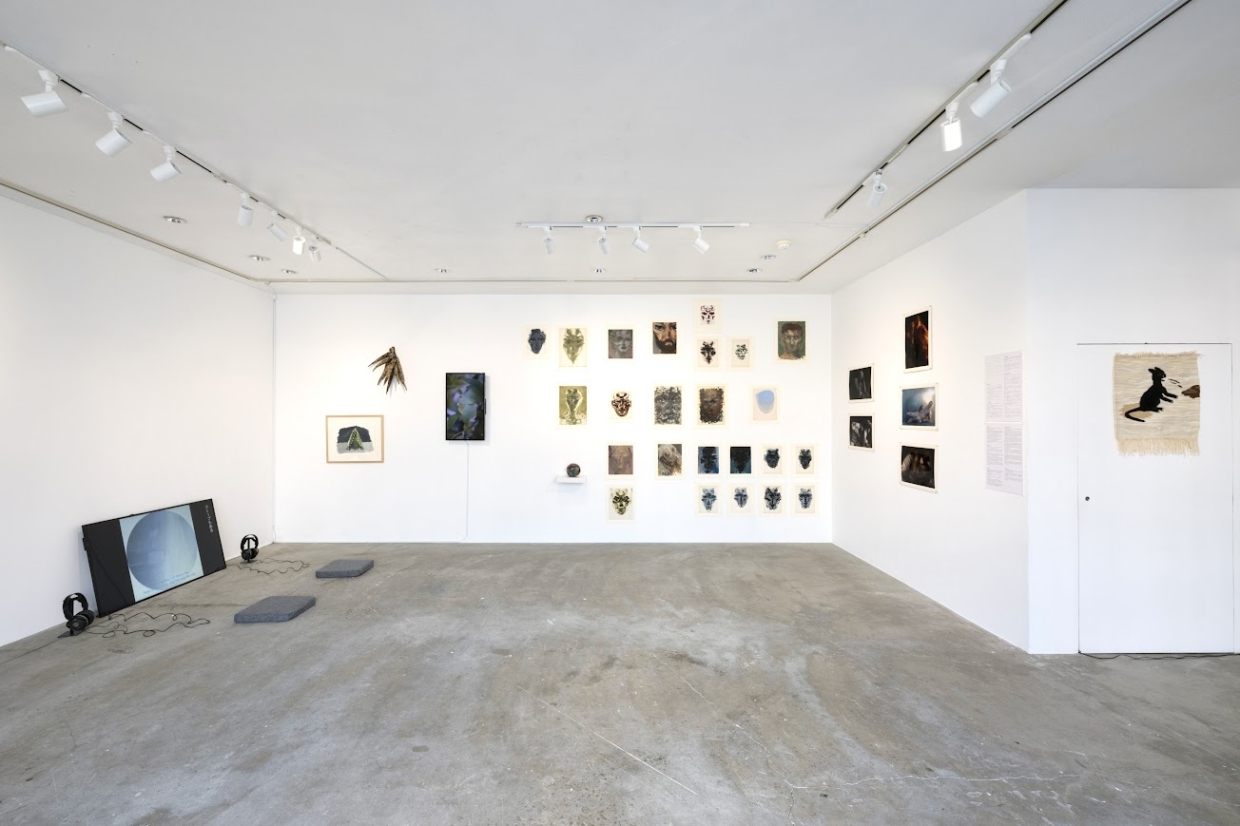
Art Front Gallery is currently presenting “Looking into the Gaps III” a group exhibition of Ukrainian artists (February 6–March 19, 2026).
Curated by the Ukrainian artist Nikita Kadan, who is also active as a curator and is recognized as one of the leading figures in contemporary Ukrainian art, —the exhibition introduces works by Ukrainian artists who are unable to leave the country due to restrictions on travel abroad.
While presenting the “now” of contemporary Ukrainian art— created amid harsh realities, the exhibition also seeks to offer a space that conveys hope for the future.
To mark the opening of the exhibition, a talk event and a screening of a video work were held on February 6, 2026.
Below is a report from the event.
Contemporary Ukrainian Art Today
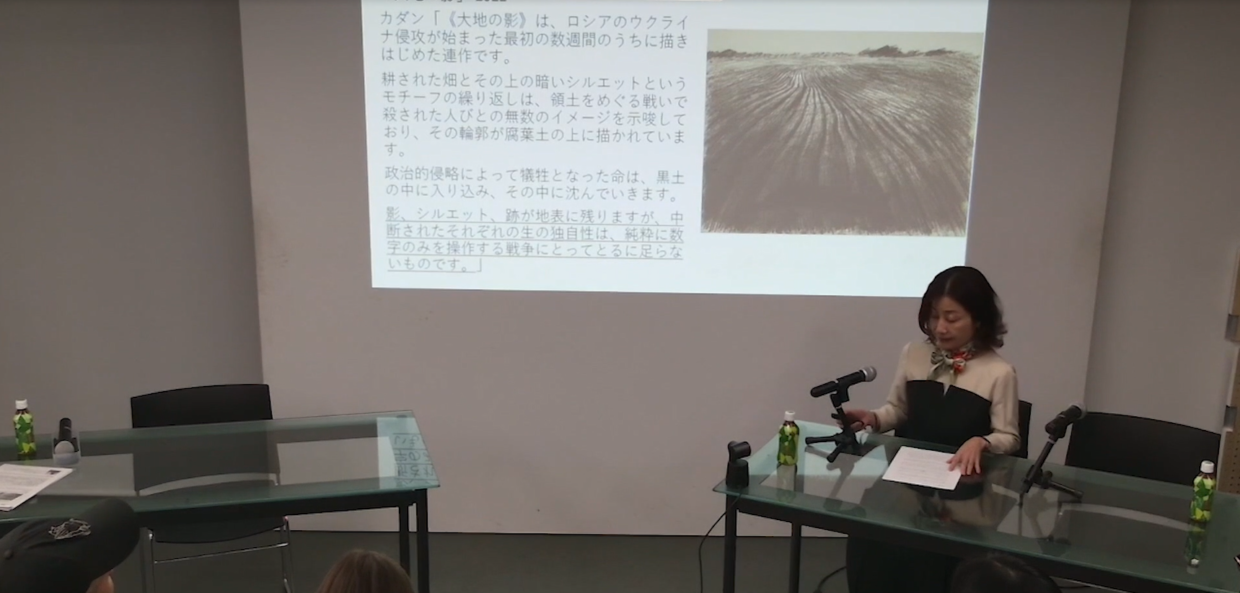
First, a lecture on the current state of Ukrainian art was given by Wakana Kono, Professor in the Department of Interdisciplinary Cultural Studies, School of Education at Waseda University. She introduced Nikita Kadan and the artists participating in the exhibition.
“This exhibition includes works created by artists who are currently serving in the military and produced their pieces during brief moments between their duties at the front. Despite these circumstances, they are trying to remain artists as much as possible. The exhibition is therefore dedicated to art made under such impossible conditions, and it speaks not only to Ukraine but also to the universality of art.”
Screening of Dana Kavelina’s Grey Earth
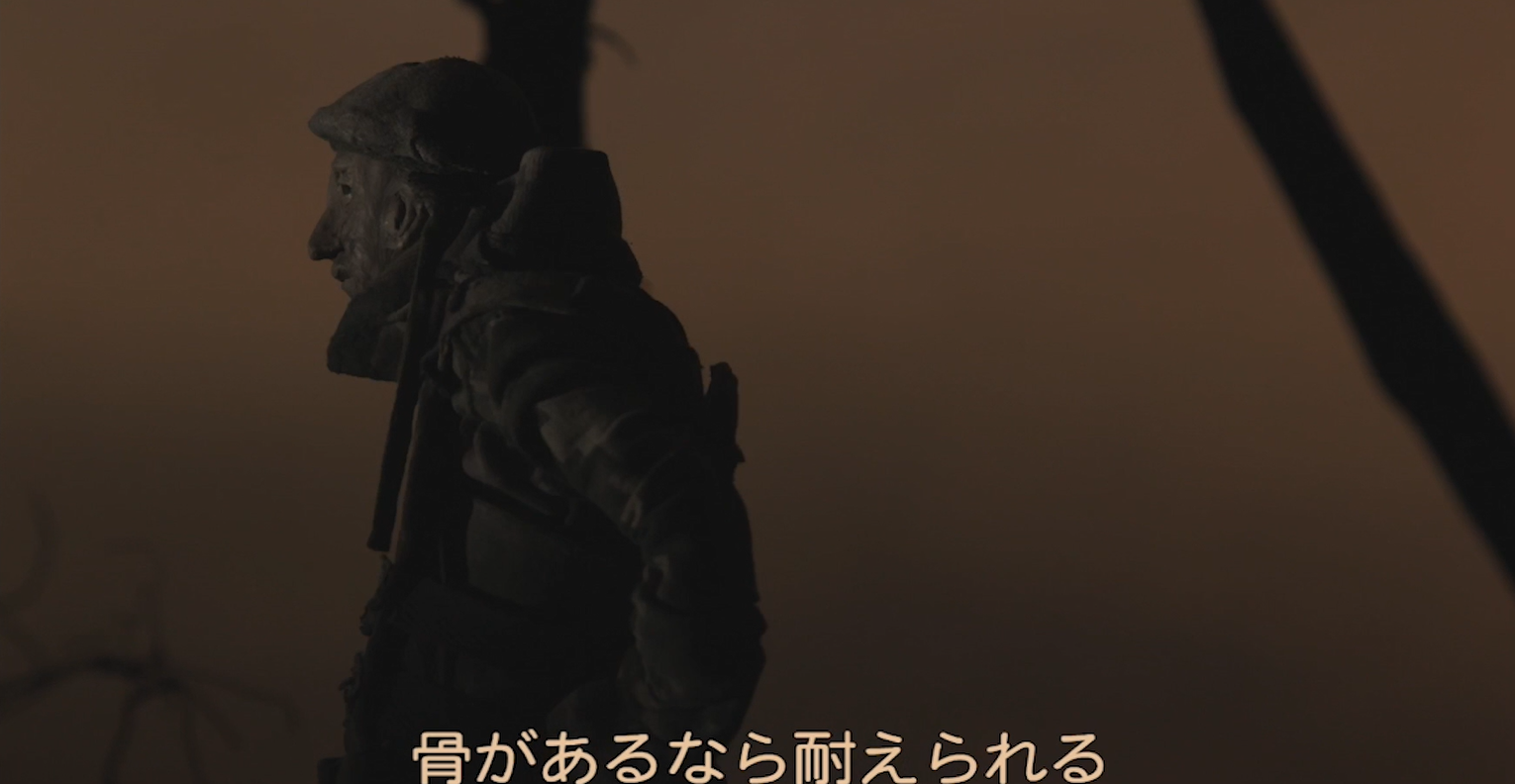
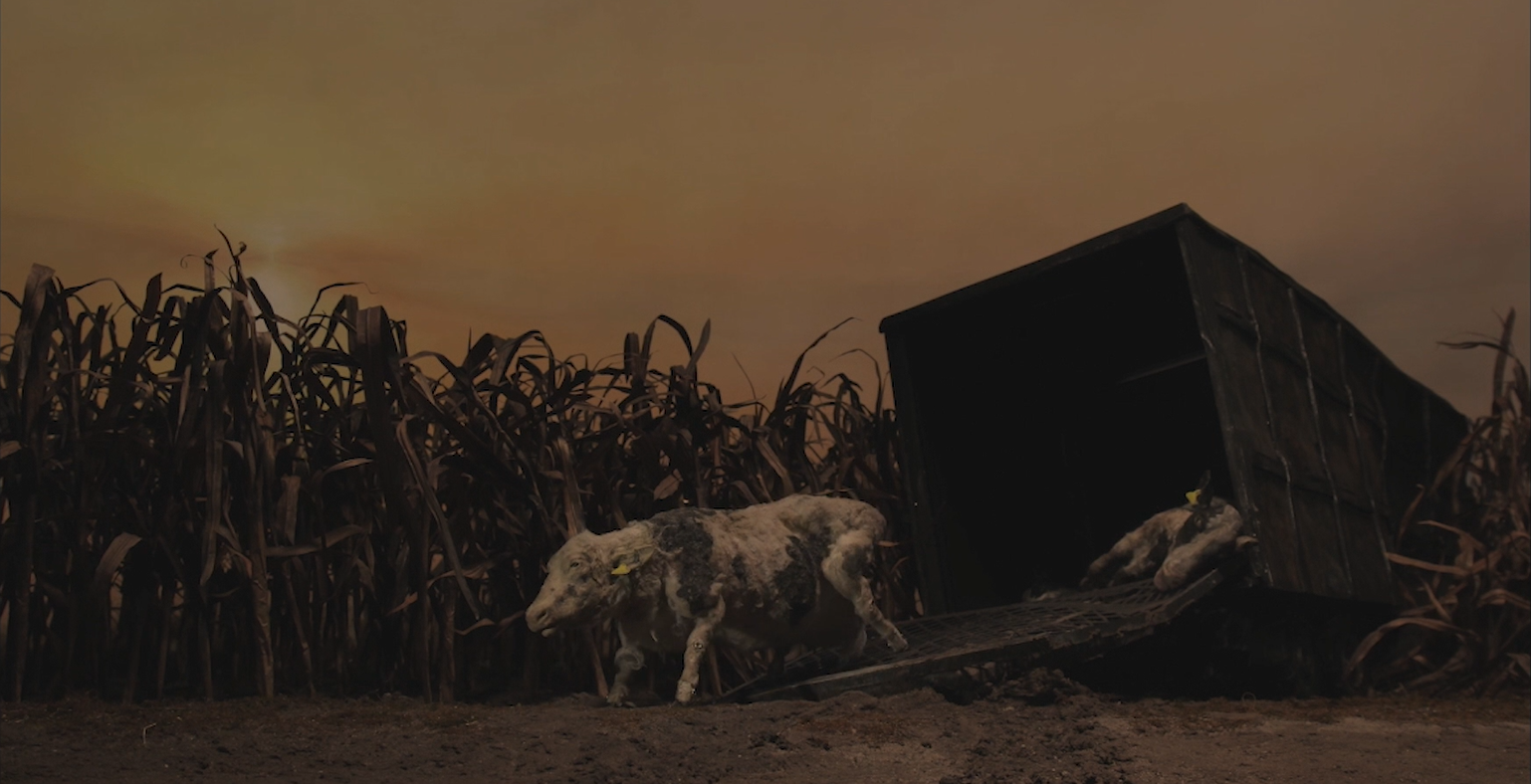
Next, a screening of the video work Grey Earth by Dana Kavelina was presented. The version shown was still in progress, and the work depicts the realities of war through animation. It consists of two scenes: one in which a wounded soldier searches for his comrades, and another in which cows, released after a drone attack, wander through a devastated landscape.
Before the screening, Kadan offered an introduction:
“Humans are not the only ones experiencing this war. Animals, plants, and even the land itself are undergoing their own experiences. I think this work allows us to consider what they might be feeling. Without even understanding why the war began, they are nevertheless profoundly affected by it.”
 Dana Kavelina "Grey Earth"
Talk by Nikita Kadan
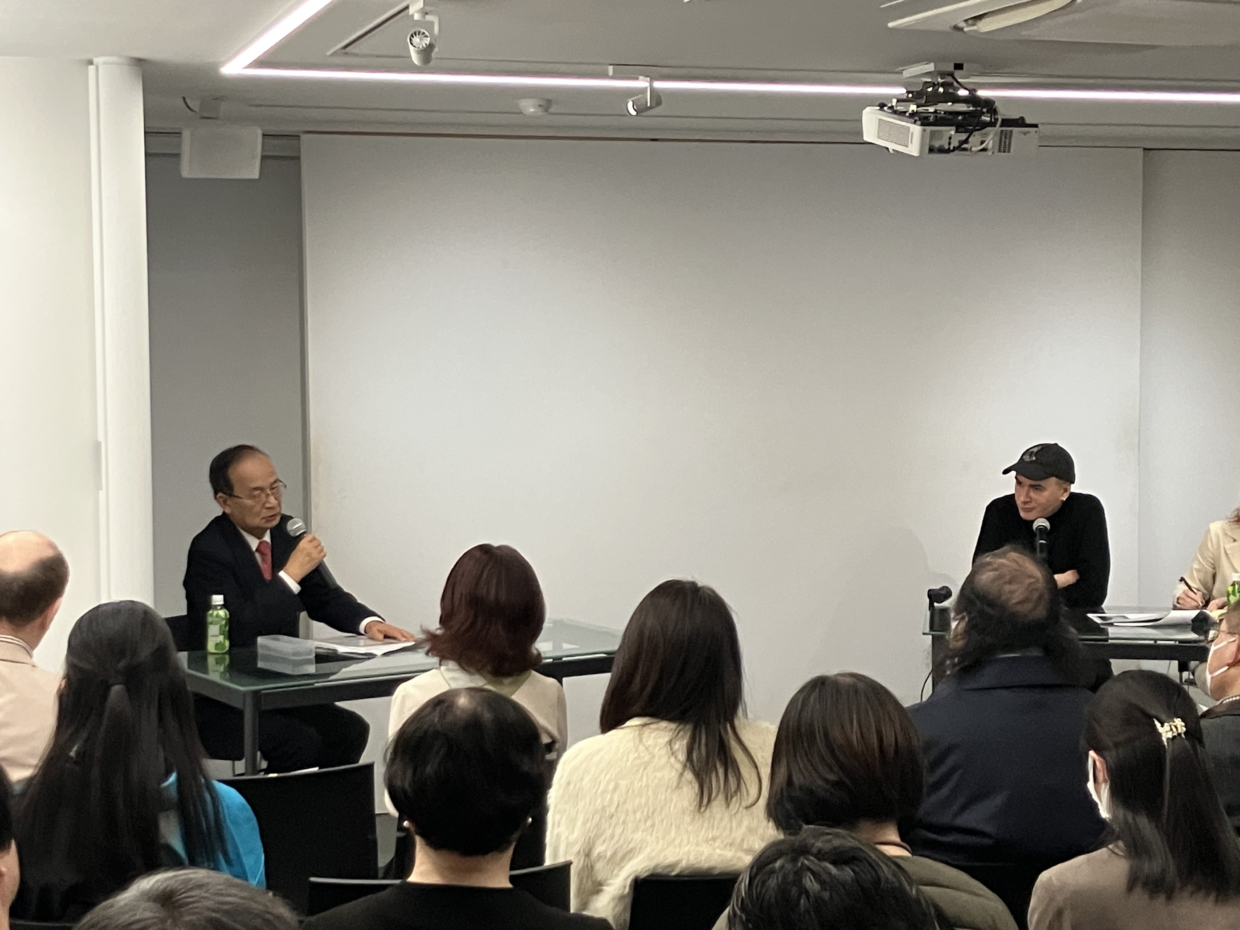
After the screening, a talk by Nikita Kadan was held. An excerpt from his remarks is presented below.
“I am an active artist, but in Ukraine, the institutional infrastructure for curatorial practice had not been sufficiently developed even before the war. As a result, artists have continued their activities by involving one another and working collaboratively. Of course, more people have been evacuating abroad, but those who remain in the country are continuing their activities in a very active way. I joined the artist group R.E.P. (Revolutionary Experimental Space) in 2014, and from there I began to gain experience in curatorial practice.”

What the Title “Gaps” Signifies
“The word ‘Gaps,’ which appears in the title of this exhibition, refers to the fact that the history of Ukraine has not continued in a single, uninterrupted line from beginning to end. Rather, it has been repeatedly broken and interrupted. It also reflects how, under these circumstances, our own lives have been partially suspended.
This third edition of Looking into the Gaps presents works by artists who continue to create under extremely difficult, almost impossible conditions. Some of them have been conscripted and mobilized into the military while continuing to make their work. These are works by artists who are practicing under cruel conditions, with limited time and materials, and very close to their limits.”
Perspectives of Women Artists
“Men, unless they are active in fields such as art, technology, or sports, are generally restricted from leaving the country, and even those procedures have become increasingly difficult. I sometimes think that I might be one of the last people able to pass through those restrictions.
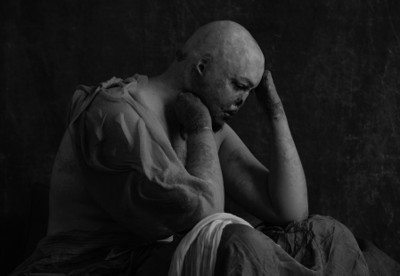
This exhibition includes works by two women artists: Dana Kavelina, the creator of the video work shown earlier, and Marta Syrko. What their works share is a realistic portrayal of soldiers fighting on the front line and those who have been wounded.
Artists who have been conscripted rarely depict the reality of war in this way. Perhaps a certain distance from the war is necessary in order to look at things structurally and without compromise. In that sense, I believe the works of these two women artists are extremely valuable.”
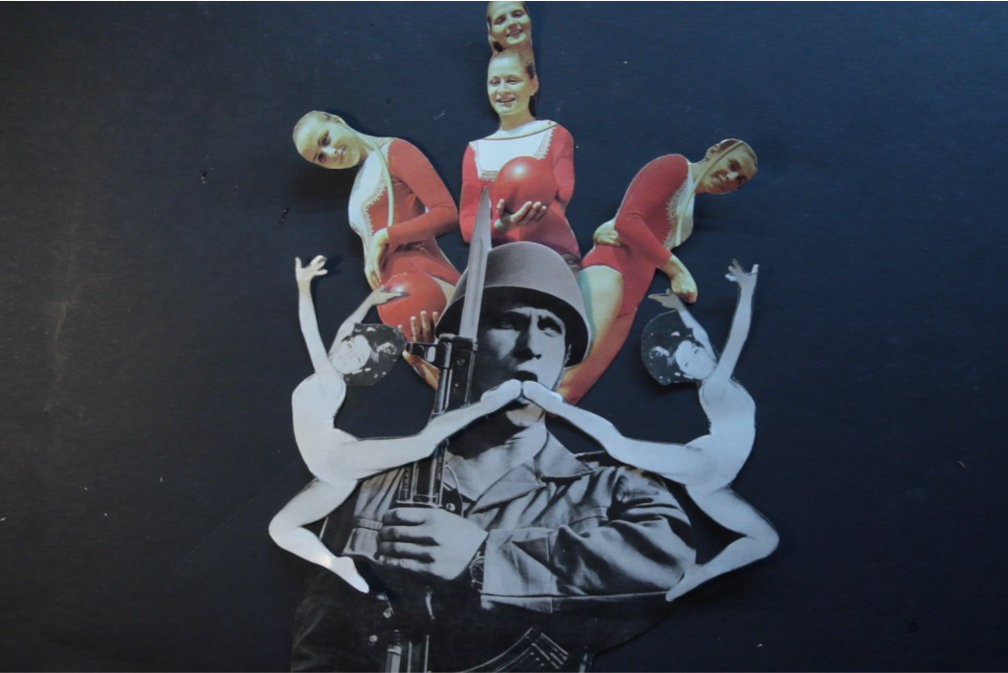 Dana Kavelina "Letter to a Turtledove" 2020
Works Emerging from War
“In this exhibition, I wanted to present the voices of other artists, so none of my own works are included. However, I would like to speak about my own practice briefly.
For example, in my sculptural works, I use fragments from actual buildings destroyed in the war. I have been continuing this practice since 2014. What is different from the previous wave of attacks is that, whereas before I had to travel to the Donbas region in eastern Ukraine to collect fragments to use as materials for my work, now I can find them right next to my own home.”
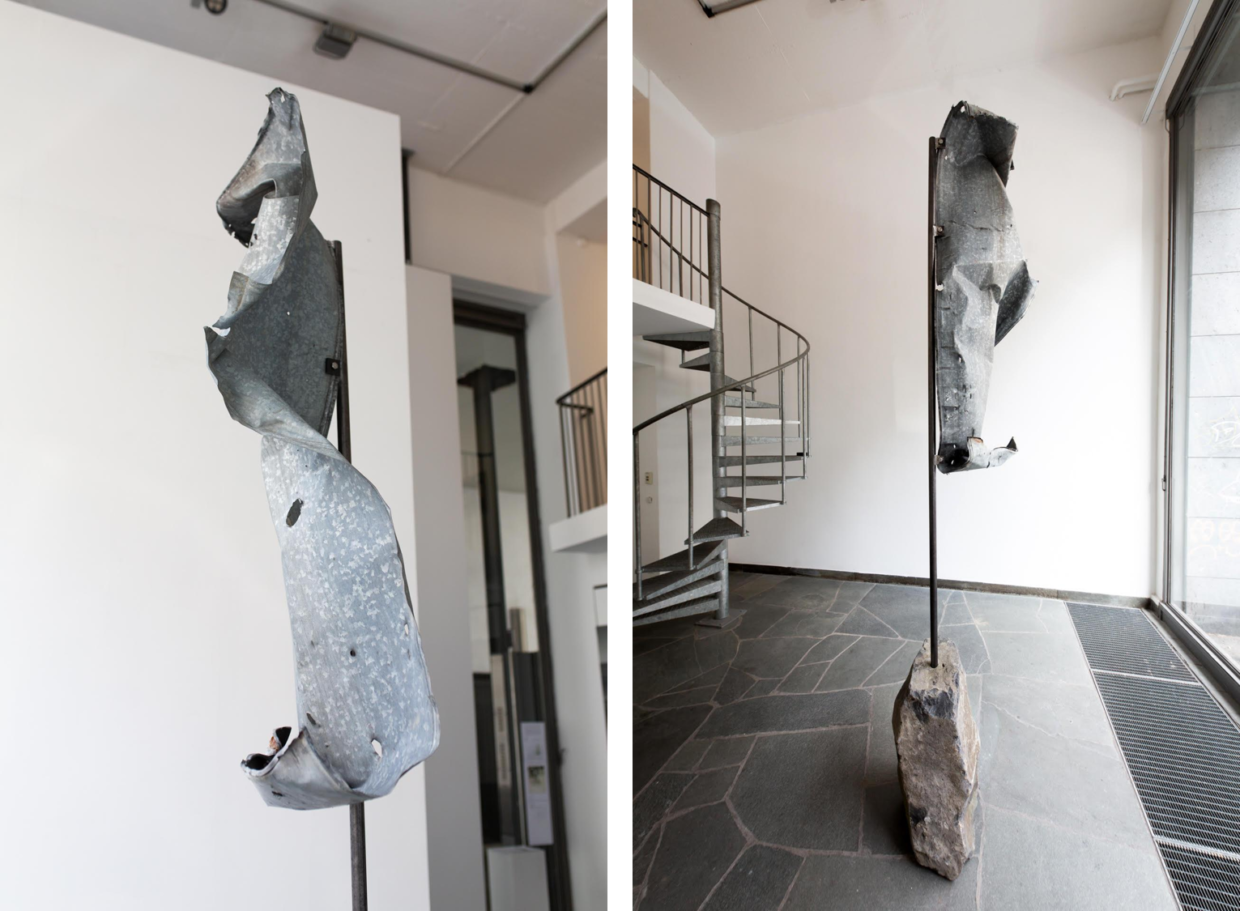
“Russian forces claim that this attack is being carried out to protect the shared history and culture of Ukraine and Russia. Yet, ironically, even statues of Soviet soldiers who fought in the Second World War—once symbols of that very history—have been destroyed. Are these ruined monuments still fulfilling their original purpose, or have they instead become evidence of the current war?”
An Exhibition that Began with a Suitcase
“This exhibition began as a small traveling show. It first toured Poland and Germany, and was later presented on Teshima Island. The presentation there was organized unofficially, separate from the Setouchi Triennale.
By my own decision, I packed works by various artists into a suitcase, brought them to Japan, and exhibited them within the landscape of Teshima. Only three people saw that exhibition. However, its purpose was to show the works to nature and the landscape before showing them to people.
At that time, Fram suggested that we should present this kind of exhibition in a gallery next time so that more people could see it. Although it began as a traveling exhibition carried in a suitcase, the amount of work involved is something that would normally be easy to carry across borders. At the same time, it also reflects how things that should ordinarily be simple to do have become impossible in Ukraine today.”
 “Gazing at the Cracks III” in Teshima

Two Artists Lost to the War
Next, the participating artists in the exhibition were introduced, along with remarks about two artists whose works are not included this time.
“Both of them lost their lives in the war in 2025. One of them was Margarita Polovinko. She was an artist who worked with many techniques and created a wide range of works. After volunteering to rescue animals from the floods caused by the destruction of a dam and helping evacuate wounded soldiers from the front line to safer places, she later served as a drone operator in the military. She died in April 2025.
Among the works she left behind are pieces in which she used blood as ink, as well as the series Angels, in which she attempted to depict children who had died in the war. Even though she knew that the number of such children would increase before the war came to an end, she still chose to create this series.”
 Margarita Polovinko wearing a Ukrainian military uniform


“The second was David Chichkan. He was close to me in age and was actively involved in anarchist movements, but he died on the front line in August 2025. He was very knowledgeable about the history of anarchism, particularly during the late nineteenth and early twentieth centuries when the movement began to develop, and he was the first to introduce me to that kind of art.
Even after joining the military, he continued to make artworks. In many of them, figures such as soldiers in uniform appear. Although the depictions are close to reality, many of the figures portrayed—like him—are aligned with leftist or anarchist ideas, and in some works those perspectives are expressed symbolically.”
 David Chichkan wearing a Ukrainian military uniform


“I would like to organize an exhibition in the future for Margarita and David, who lost their lives in the war, so that their work and memory can be preserved.
The word ‘curation,’ as many books note on their very first page, comes from the Latin meaning ‘to take care of.’ In Ukraine today, I believe that curating also means taking care of artists who have passed away.”
Comment from Fram Kitagawa
Finally, a comment was shared by Fram Kitagawa.
“When we invited Nikita to be involved, there were many delicate issues, including the issue of travel restrictions. In the current situation, Nikita is carrying out what he feels is his mission and is now working from a position that considers how to act in relation to history itself.
Today, we also have foreign guests and government representatives present. Perhaps in everyday circumstances, people might avoid speaking about such sensitive matters. In many ways Japan, too, is beginning to face increasingly difficult conditions. That is precisely why it is so meaningful that this exhibition and event could take place here today, and that all of you have gathered.
Through Nikita’s art, we have been able to learn many things. It reminds us how important an individual’s convictions and character become in times like these. I am truly grateful for this connection.”
Exhibition Information: Looking into the Gaps Ⅲ
Dates: February 6 (Fri) – March 19 (Thu), 2026
Opening Hours: Wednesday–Sunday and public holidays, 11:00–17:00
Closed: Monday and Tuesday
For more details, please see here.
RELATED POSTS


